
ByJohn A
Electric Bikes: A Smarter Way to Travel in Modern Cities
The way people travel is changing. Rising fuel costs, crowded roads, traffic jams, and growing concerns about the environment have encouraged many people to look for better ways to get around. One option that has become increasingly popular is the electric bike.
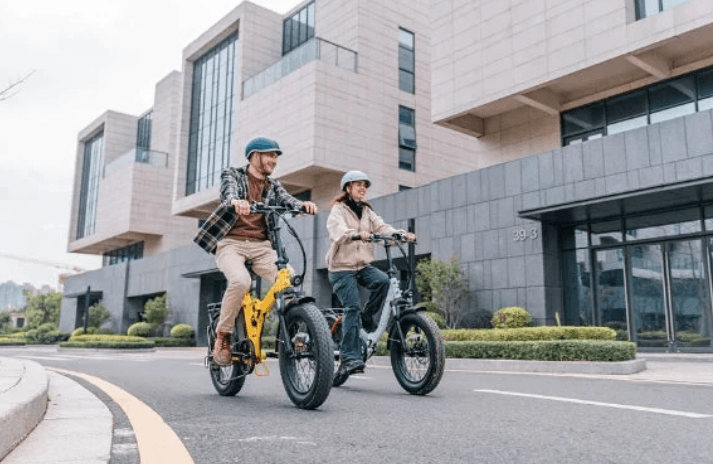
An electric bike, often called an e-bike, looks similar to a traditional bicycle but includes an electric motor and rechargeable battery. The motor provides assistance while riding, making it easier to travel longer distances, climb hills, and deal with heavy traffic. For some people, an electric bike is simply a convenient alternative to a car. For others, it offers a more enjoyable way to stay active while reducing everyday transportation costs.
What Makes an Electric Bike Different?
The biggest difference between an electric bike and a conventional bicycle is the electric assistance system. When the rider pedals, the motor can provide additional power. Most e-bikes also allow the rider to adjust the level of assistance according to the situation.
For example, a low assistance setting may be enough on a flat road, while a higher setting can make a steep hill much easier to manage. This flexibility is one of the main reasons electric bikes appeal to such a wide range of riders.
Electric bikes come in several styles. Some are designed for daily commuting, while others are built for mountain trails, long-distance rides, or carrying groceries and other loads. Folding electric bikes are also popular among commuters who need to combine cycling with public transportation.
A Practical Choice for Daily Commuting
For people who travel relatively short distances every day, an electric bike can be a practical alternative to driving. A daily journey that might feel tiring on a normal bicycle can become much easier with motor assistance.
This is particularly useful for commuters who want to arrive at work without being completely exhausted. An e-bike can also help riders avoid some of the frustration associated with traffic. Instead of sitting in a line of cars, cyclists can often use bicycle lanes or other suitable routes.
Parking is another advantage. Finding a parking space can be difficult and expensive in busy areas, whereas an electric bike generally requires much less space. Depending on local regulations and the rider’s circumstances, this can make e-bikes especially useful in crowded urban environments.
Lower Transportation Costs
Owning and operating a car can be expensive. Fuel, insurance, maintenance, parking, and unexpected repairs can add up over time. Electric bikes generally have much lower running costs.
Charging the battery typically costs far less than filling a car with fuel. Maintenance can also be relatively simple, although the bike still needs regular attention to its brakes, tires, chain, electrical components, and battery.
The amount a rider can save depends on how often the e-bike replaces car or other transportation trips. Someone who uses an electric bike for commuting several days a week may notice a meaningful difference in their monthly transportation expenses.
An Easier Way to Stay Active
Some people assume that an electric bike eliminates exercise because it has a motor. In reality, many e-bikes still require the rider to pedal. The motor simply reduces the amount of effort required.
This can make cycling accessible to people who may struggle with long distances, hills, or intense physical effort. Riders can choose a lower assistance level when they want more exercise and increase the assistance when they become tired.
For beginners, this can be an encouraging way to develop confidence on a bicycle. Instead of worrying about whether they will have enough energy to complete the journey, they have the option of using additional assistance when necessary.
The Environmental Side of Electric Bikes
Transportation is an important part of discussions about air pollution and emissions. Cars and motorcycles that rely on petrol or diesel produce exhaust emissions, while electric bikes do not produce tailpipe emissions during operation.
An electric bike is not completely without environmental impact. Manufacturing the battery, producing the bike, and generating the electricity used for charging all require resources. However, when an e-bike replaces frequent car journeys, it can provide an opportunity to reduce the environmental impact associated with everyday transportation.
For this reason, electric bikes are increasingly being considered as one part of a broader shift toward cleaner and more efficient urban mobility.
Choosing the Right Electric Bike
Buying an electric bike should not be based on appearance alone. Different models are designed for different purposes, so it is important to think about how the bike will actually be used.
Battery capacity is one factor worth considering. A larger battery may provide greater range, but it can also add weight and cost. Riders should think about their typical journey rather than choosing a battery simply because it has the largest capacity.
Motor performance is another consideration, especially for people who regularly ride on hills. Comfort, frame size, braking performance, tire type, and riding position also matter.
The quality of the battery and electrical system is particularly important. Buyers should look for reliable products from reputable manufacturers and make sure replacement parts and servicing are reasonably accessible.
Nothing in life is to be feared, it is only to be understood. There is nothing noble in being superior to your fellow man. It is a truth universally acknowledged, that a single man in possession of a good fortune must be in want of a wife.
Battery Care and Maintenance
An electric bike can last for years when it is properly maintained. Basic bicycle maintenance remains important, including checking tire pressure, cleaning the chain, and inspecting the brakes.
The battery deserves special attention. Riders should follow the manufacturer’s charging instructions and avoid exposing the battery to extreme conditions. If the bike will not be used for an extended period, storing the battery according to the manufacturer’s recommendations can help maintain its condition.
Regular maintenance is not only about extending the life of the bike. It also improves safety and helps prevent small problems from becoming expensive repairs.
Safety Should Come First
Electric bikes can be enjoyable and convenient, but riders should treat them with the same seriousness as any other vehicle on the road. Wearing an appropriate helmet is a sensible safety measure, and riders should remain aware of cars, pedestrians, cyclists, and changing road conditions.
Speed is another important consideration. Electric assistance can make a bicycle feel significantly faster than a conventional bike, particularly for new riders. It is better to become comfortable with the bike gradually rather than immediately riding at maximum speed.
Local laws also vary. Rules concerning speed limits, helmets, bicycle lanes, minimum age, and where certain types of e-bikes can be used may differ from one location to another. Riders should check the regulations that apply where they live.
The Future of Electric Bikes
Electric bikes are more than a passing trend. As cities become more crowded and people search for affordable transportation options, e-bikes are likely to remain part of the changing transportation landscape.
Technology is also improving. Newer models are becoming more efficient, comfortable, and practical, while battery technology continues to develop. Some cities are investing in cycling infrastructure, which can make electric bikes even more useful for daily travel.
The future of transportation will probably not depend on one solution. Cars, buses, trains, bicycles, walking, and electric bikes can all play different roles. The important question is how these options can work together to create transportation systems that are convenient, affordable, and sustainable.
See also: Red Flags That Tell You a PCD Pharma Franchise Deal Is Not Worth It
Conclusion
Electric bikes offer a practical combination of convenience, mobility, and physical activity. They can make daily journeys easier without completely removing the experience of cycling. For commuters, they may provide an alternative to expensive car trips, while recreational riders can use them to explore greater distances.
An electric bike is not the perfect choice for everyone. However, for people looking for a flexible and economical way to travel, it can be a valuable option. As technology develops and more people become familiar with e-bikes, their role in everyday transportation is likely to become even more significant.
